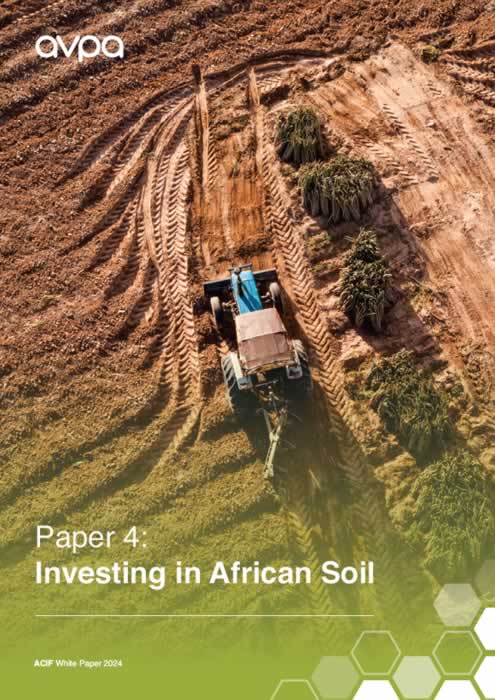
This White Paper emphasizes the critical role of behaviour change in soil interventions and explores various models for private sector engagement in agricultural advisory services. It highlights initiatives like Agrocenta and iCow, which face challenges in achieving large audience uptake due to competition with grant-sponsored organizations. The paper underscores the potential of soil diagnostics and low-cost technologies, such as soil testing kits, while noting the limited awareness among farmers about available options. It advocates for the adoption of soil additives, particularly biochar, which has shown significant benefits in soil fertility and carbon sequestration. Additionally, the paper discusses the dual nature of fertilizers, presenting both benefits in yield increases and risks of soil acidification. It concludes with insights into the African fertilizer market, emphasizing the need for local production and innovative approaches to address rising costs and promote sustainable agricultural practices.